
Does the jar hiss, or has the lid risen? Stay calm, but check it carefully. Gas can be a sign of continuing microbial activity.
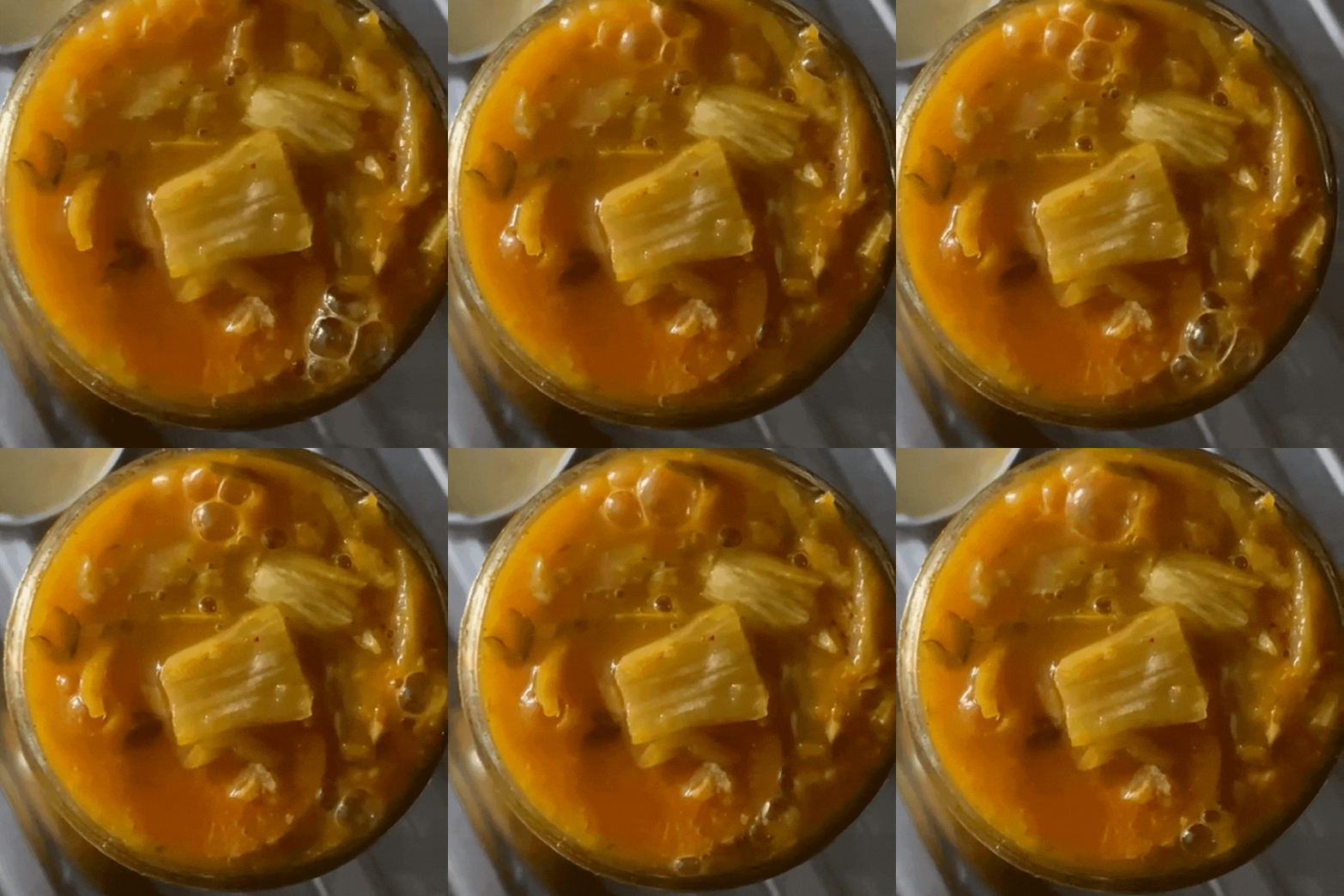
Refermentation means that microbial activity continues after the food has been jarred. It can create bubbles, gas and a sound on opening. This is possible in a living product, but it must be assessed alongside the smell, appearance, recipe and storage conditions.
What is refermentation?
It is the continuation of fermentation in a closed jar because active microorganisms and fermentable sugars remain. It may produce gas, alter the acidity and raise the lid slightly.
Why does it happen?
- Lactic-acid bacteria such as Lactobacillus plantarum remain active.
- The vegetables still contain fermentable sugars.
- A higher room temperature accelerates the process, especially in summer.
How to read the signs
- A raised lid: gas has accumulated. Handle a badly swollen, damaged or leaking jar carefully and discard it if in doubt.
- A hiss on opening: pressure is escaping, much as it does from a carbonated drink.
- Bubbles or foam: these can come from vigorous microbial activity.
Is it dangerous?
Gas alone proves neither safety nor spoilage. A clean, acidic smell, normal product colour and a usual, not excessively slimy texture are expected. Red, black or furry mould, a putrid smell, a decomposed appearance or a damaged seal are reasons to discard the product without tasting it. Contact Fermentierra if you are unsure.
How can you slow refermentation?
- Keep it cool: Once fermentation is complete or the flavour is right, refrigeration at around 4°C slows activity.
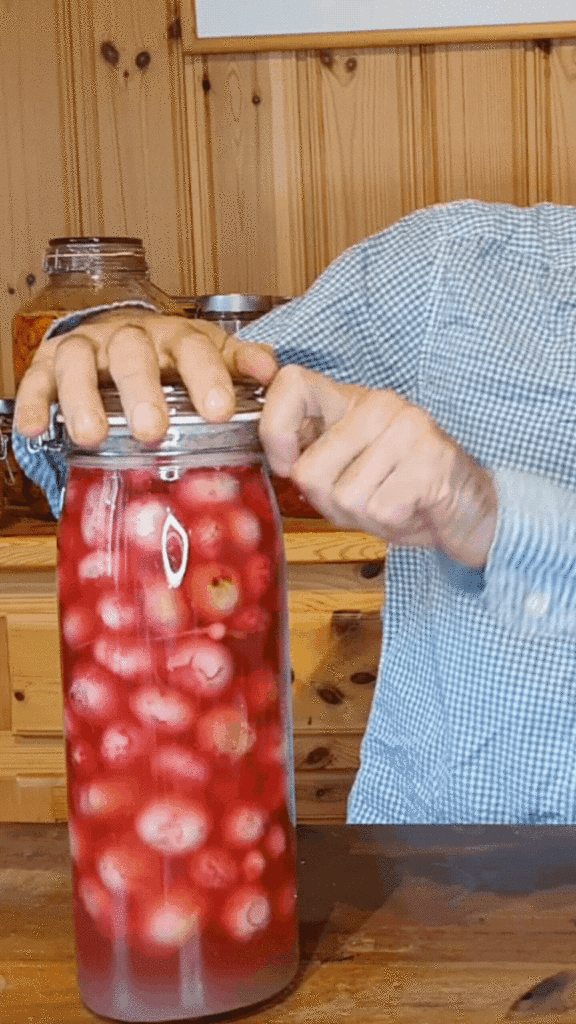
- Use suitable equipment: Purpose-made fermentation jars with a valve or flexible rubber seal can let gas escape without letting air in. Do not modify an ordinary sealed retail jar yourself.
What should you do?
Chill the jar and open it gently over the sink, pointing it away from your face. If there is a lot of foam, stir carefully only if smell and appearance are normal, then close the jar and refrigerate it.
Common concerns
“My jar has swollen – is it toxic?”
The swelling can come from CO₂, but that alone does not show that the contents are safe. Check every sign above; if pressure is severe, the jar is damaged or you are unsure, do not taste it.
“There is foam.”
Foam can be normal. Colour, smell, texture and preparation conditions all matter.
“Can children eat it?”
Fermented foods can be very acidic and salty. For young children, illness or uncertainty, ask a qualified health professional; if appropriate, begin with a very small amount.
Fermentation and the seasons
Summer heat speeds activity and increases pressure, so earlier refrigeration can help. In winter, the process is slower.
Our philosophy
Refrigerators have been commonplace in Swiss homes for less than a century. That is why we teach not only recipes, but the understanding that brings traditional skills together with modern food safety.
Refermentation is not automatically a mistake. Understanding it helps you assess a living product more safely. Our team will be pleased to help if you have questions.