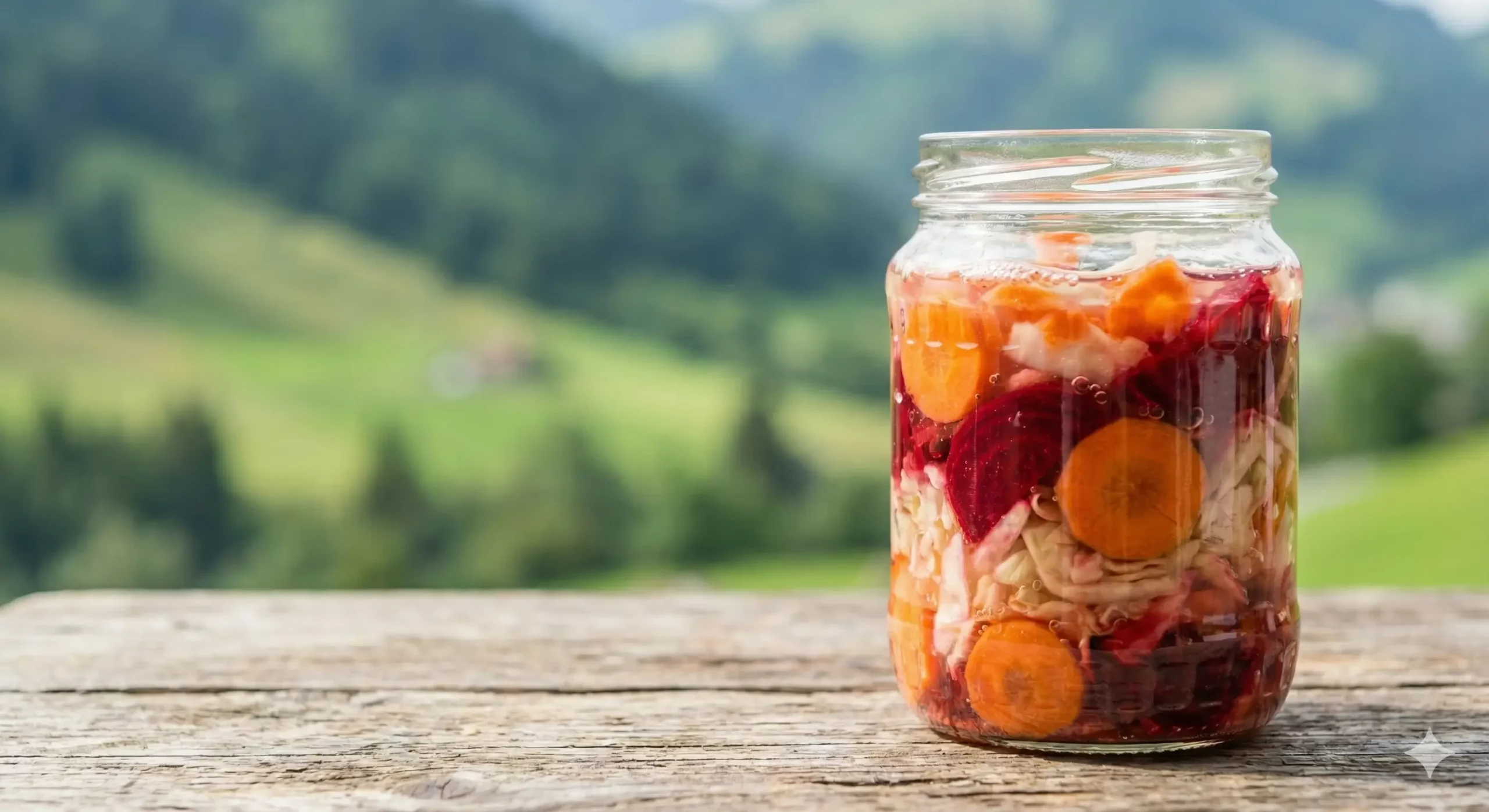
A cultural shift carried by flavour, wellbeing and a renewed local way of life.
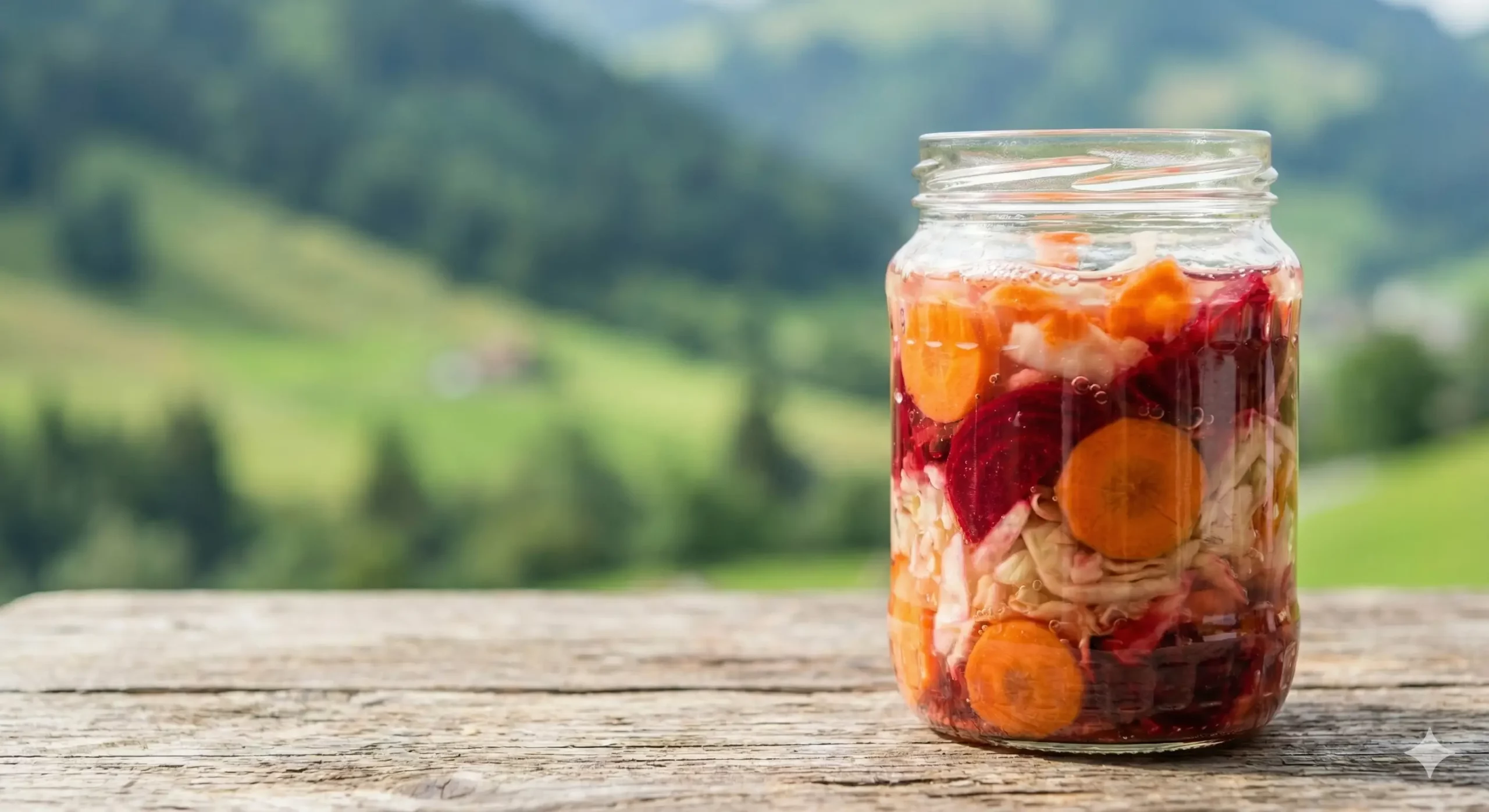
Discover Fermentierra ferments →
For a long time, fermented vegetables were seen as relics: winter recipes, grandmother’s soups and memories of preserving food out of necessity. Today they are returning to farmers’ markets, chefs’ kitchens, workplace restaurants and family tables. This revival is more than a passing fashion.
A change in taste and awareness
In a fast, sweet and standardised food culture, many people are again looking for real flavour, living processes, connection and meaning.
| Strength | Experience |
|---|---|
| Natural acidity | New and stimulating flavours |
| Living ferments | Flavour and a process people can understand |
| Local craft | Trust and pride |
| Farming roots | A link with origin and landscape |
A universal craft with a distinctly Swiss inheritance
Kimchi in Korea, sauerkraut in Alsace, pickles in northern countries and fermented vegetables in Alpine regions show a worldwide diversity. In Switzerland, fermentation was long associated mainly with cabbage. Today carrots, radishes, celeriac, beetroot, leeks and squashes also fill the jars.
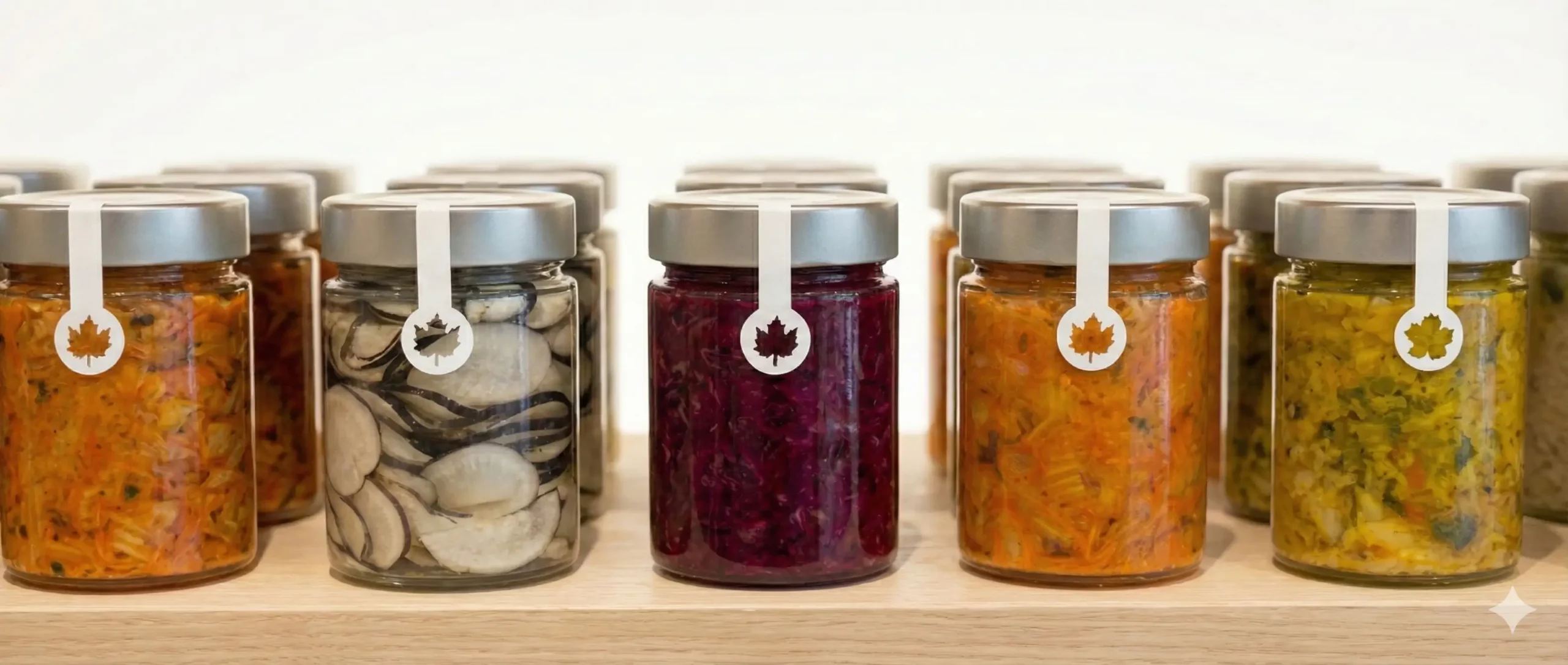
This is not a fixed return to the past. Swiss organic vegetables express their terroir, makers devise new combinations, textures and colours, and customers build a more conscious relationship with living food.
From pioneers to everyday tables
Ferments were once a niche for home-makers, nutrition specialists and microbiome enthusiasts. They now appear on everyday plates and menus, and in corporate gifts, Advent calendars and local hampers.
CSS’s Enjoy365 ordered 250 Fermentierra discovery sets, Ekko Swiss included 300 jars in an experiential Advent calendar, and Schweizer Päckli selected 660 jars of yellow mustard for Swiss corporate hampers. Examples like these show living fermentation moving from a niche into daily culture.
Simple ways to use it
- Serve a spoonful beside raclette, fondue, a stew or a vegetarian plate.
- Add one or two spoonfuls to salad for crunch, natural acidity and colour.
- Replace some or all of the gherkins in a sandwich or burger with Swiss kimchi or living sauerkraut.
- Serve small bowls alongside mountain cheese, raclette or a local cheese board.
- Keep an open jar in the fridge as an everyday condiment.
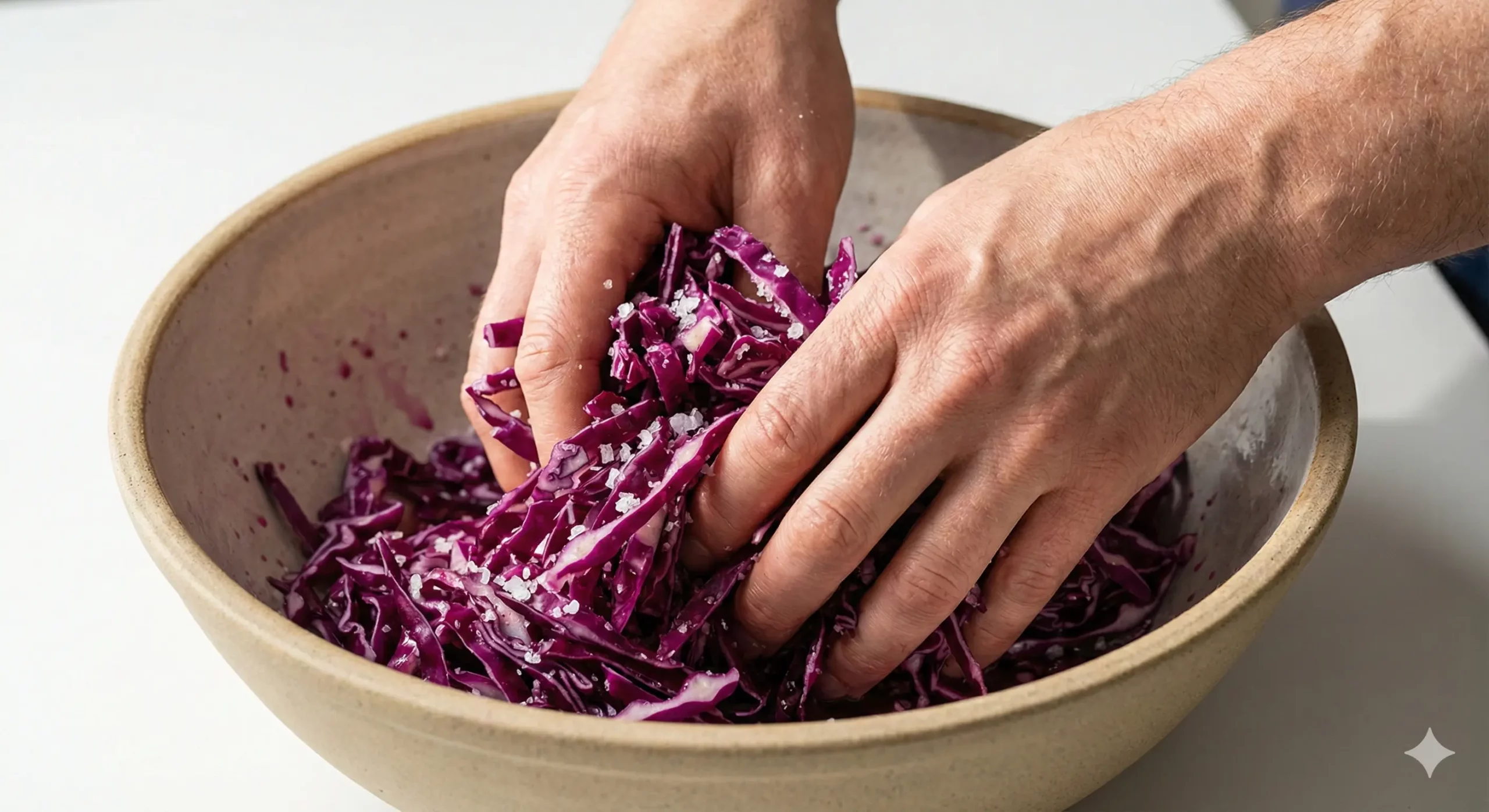
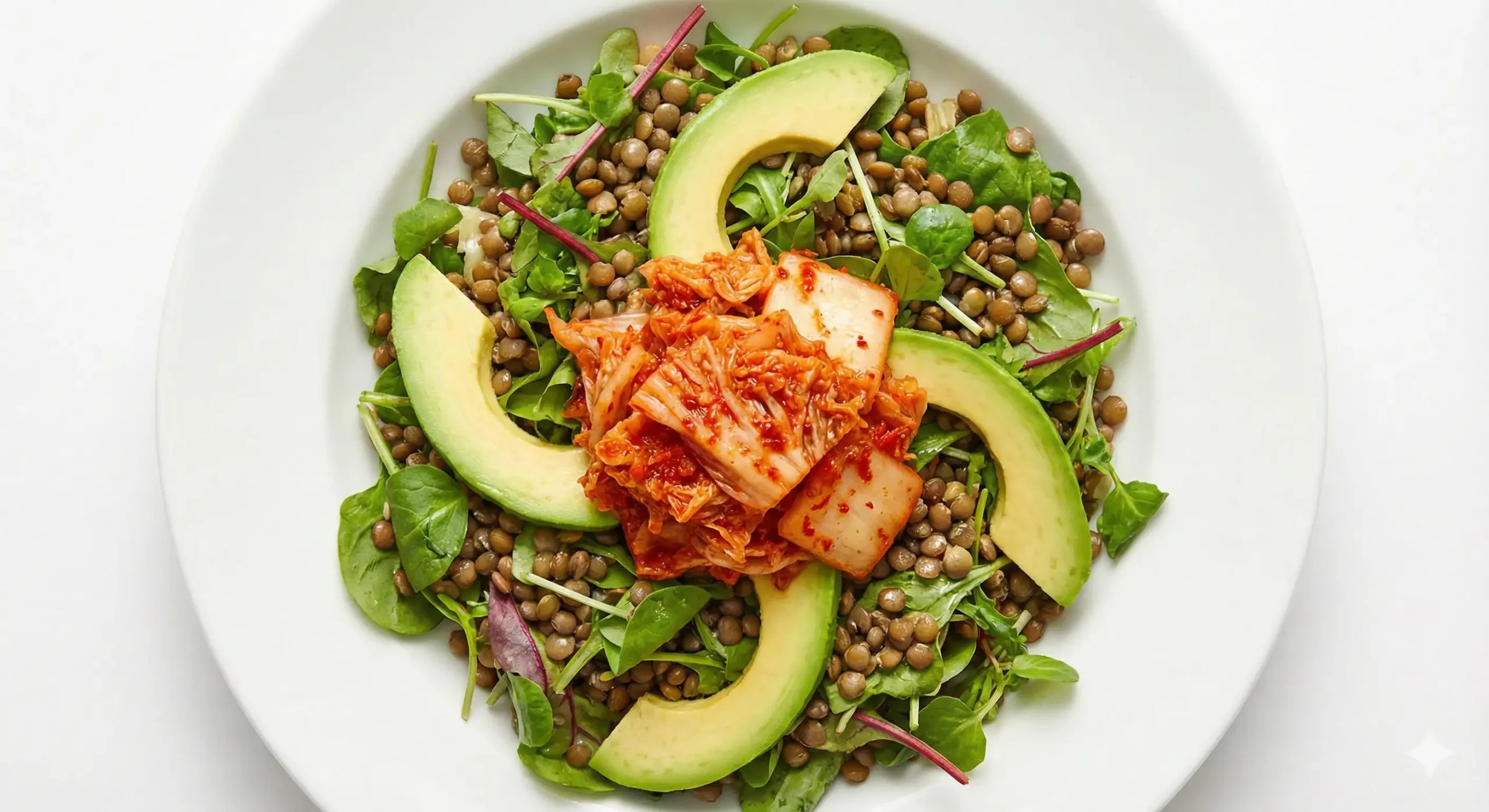
Swiss craft as a quiet engine
Swiss fermentation makers join old recipes with new combinations and accept the long ageing time. They share a commitment to transparent ingredients, real relationships with vegetable growers and products that people can understand. Fermentierra is among the businesses shaping this local food landscape. Discover the philosophy of Fermentierra’s makers →
Where gastronomy meets wellbeing
| Dimension | What it offers |
|---|---|
| Gastronomy | Intense flavours, umami and crunchy textures |
| Wellbeing | An enjoyable, varied diet; tolerance remains individual |
| Sustainability | Making the most of vegetables, natural preservation and less waste |
Chefs find a new aromatic palette, specialists study the relationship with the microbiome, and citizens see a choice consistent with their values.
Putting wonder back on the Swiss plate
Natural acidity, crunchy cabbage and the colour of fermented beetroot make simple food surprising. More local produce, creativity, awareness and sharing are shaping this renewed everyday culture.
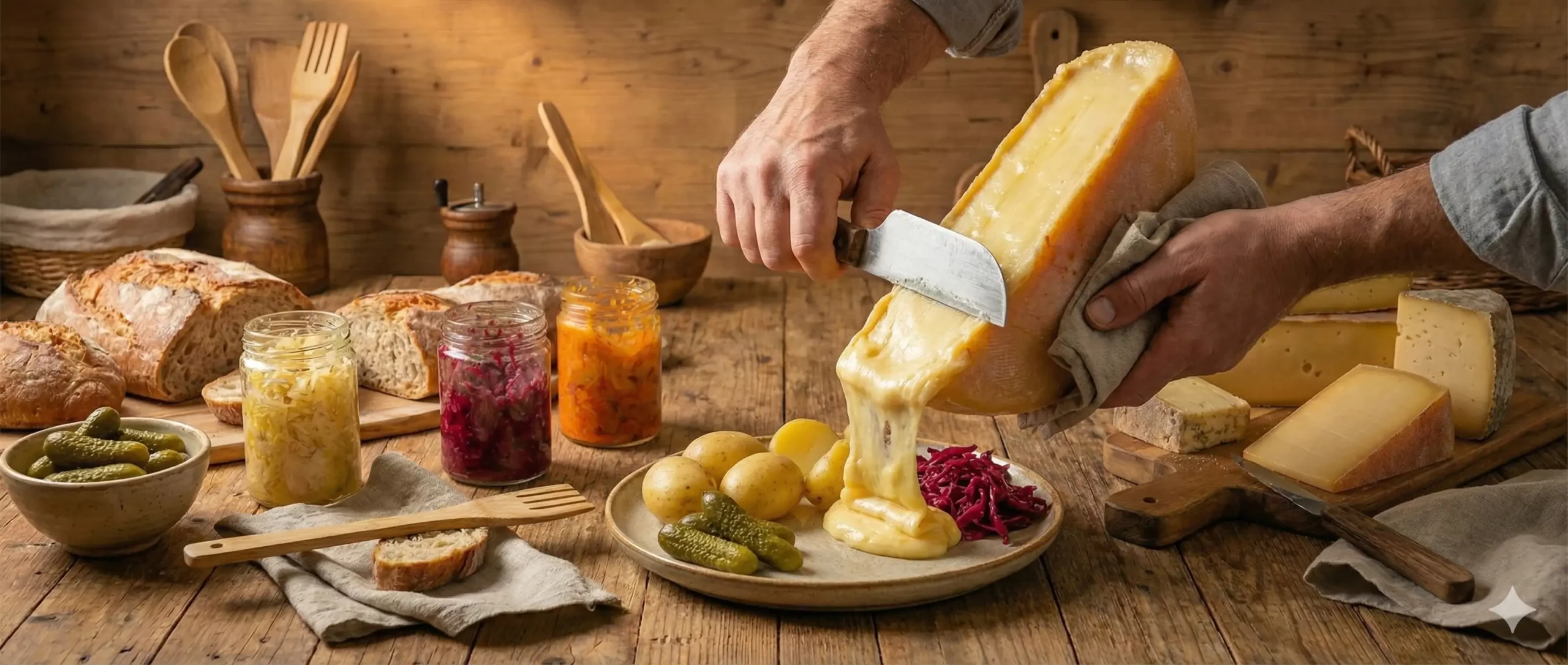
Now it is your turn to taste
You do not have to change your entire diet. A spoonful with a meal can open up a new flavour. Depending on the season, Fermentierra offers kimchi- and sauerkraut-inspired recipes alongside original creations made with Swiss vegetables.
Discover the vegetable range → · Discover our approach →
Frequently asked questions
How do I add fermented vegetables?
Start with one or two spoonfuls as a side, in salad or in a sandwich.
Are they healthy?
Fermented vegetables can form part of a varied diet. That does not guarantee an individual health benefit.
How long do they keep?
Follow the label. Refrigerate after opening, use clean utensils and keep the vegetables under the brine where possible.
Switzerland is seeing more than a food trend: it is finding a renewed connection with body, soil and community. Fermentation is not a dogma, but an invitation to slow down and taste more attentively.