You bought a beautiful jar of fermented vegetables and pictured a healthier, more energetic version of yourself. Then came long meetings, evening tiredness and meals on the run. The jar is now behind the yoghurt and seems to ask whenever you open the fridge: “Still not ready?” I call it the guilt totem.
You are not alone, and it is not a failure of willpower.
The ideal self meets real life
We have an automatic “culinary script” for mustard with meat or jam on toast. Many of us have none for kimchi or raw sauerkraut. We imagine that we must build a complicated dish around them, so the jar goes back into the fridge until we “have more time”.
The answer: do not try to be a chef
Fermented vegetables need not be treated like a cabbage stew simmered for hours. They work as a condiment.
Planète Santé describes the huge microbial community in the gut. For many people, a small regular serving is easier to fit into daily life and personal tolerance than a rare large helping.
Three signs that you are putting yourself under too much pressure
1. “Fermented vegetables are too strong”
Do not start with 100 grams as though it were grated carrot salad. Add small touches and pair them with avocado, cheese or oil to round off the sensory intensity.
2. “I do not know whether it is still good”
A hiss or bubbles can come from continuing fermentation. Check the smell, appearance and texture, and follow the storage instructions. Discard food that smells putrid, has unusual discolouration or visible mould. ETH Zurich researches fermentation and biopreservation; that does not replace safe preparation and sensory checks.
3. “I am going to waste it”
Lactic fermentation exists precisely to preserve food. Store an opened jar in the fridge as directed on its label and keep the vegetables covered by brine where possible.
Three flavours for a fresh start
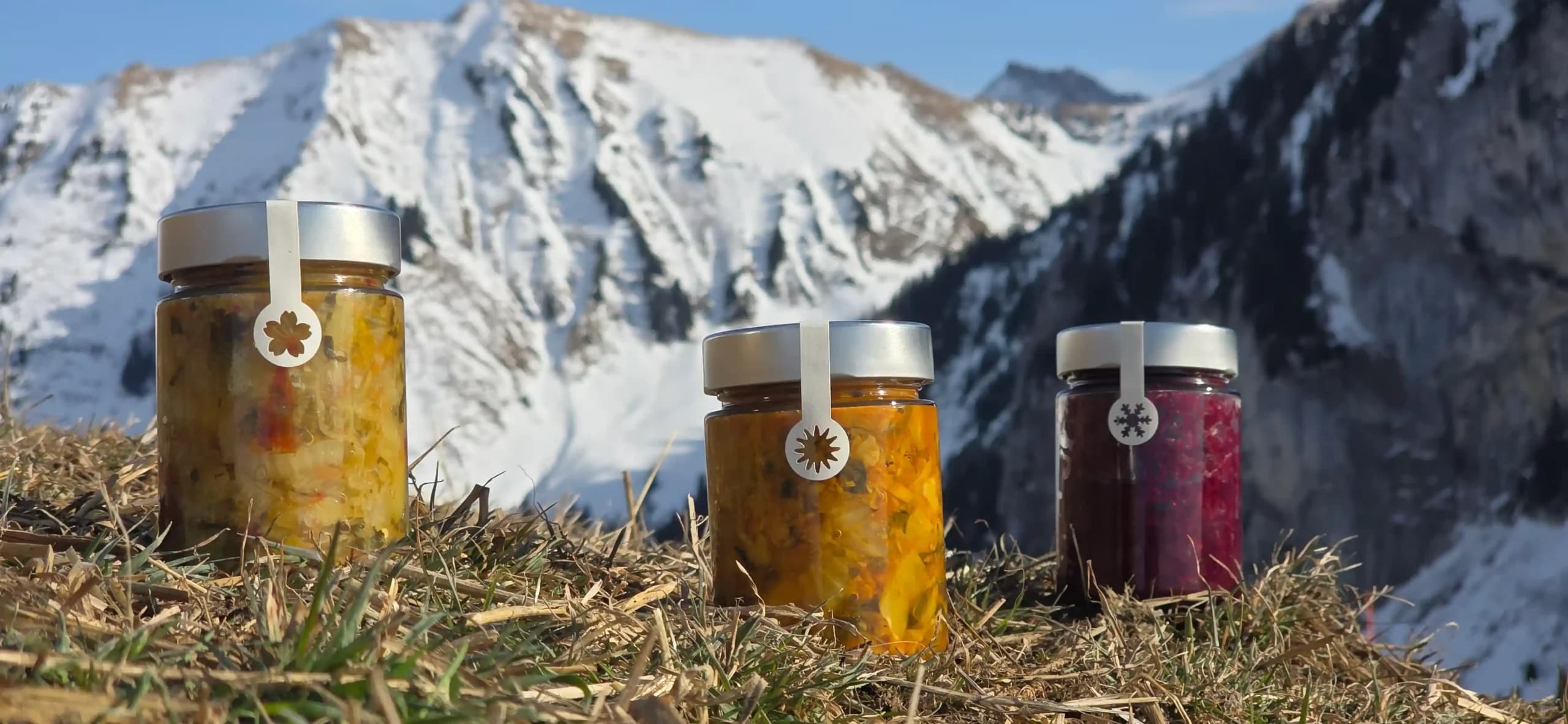
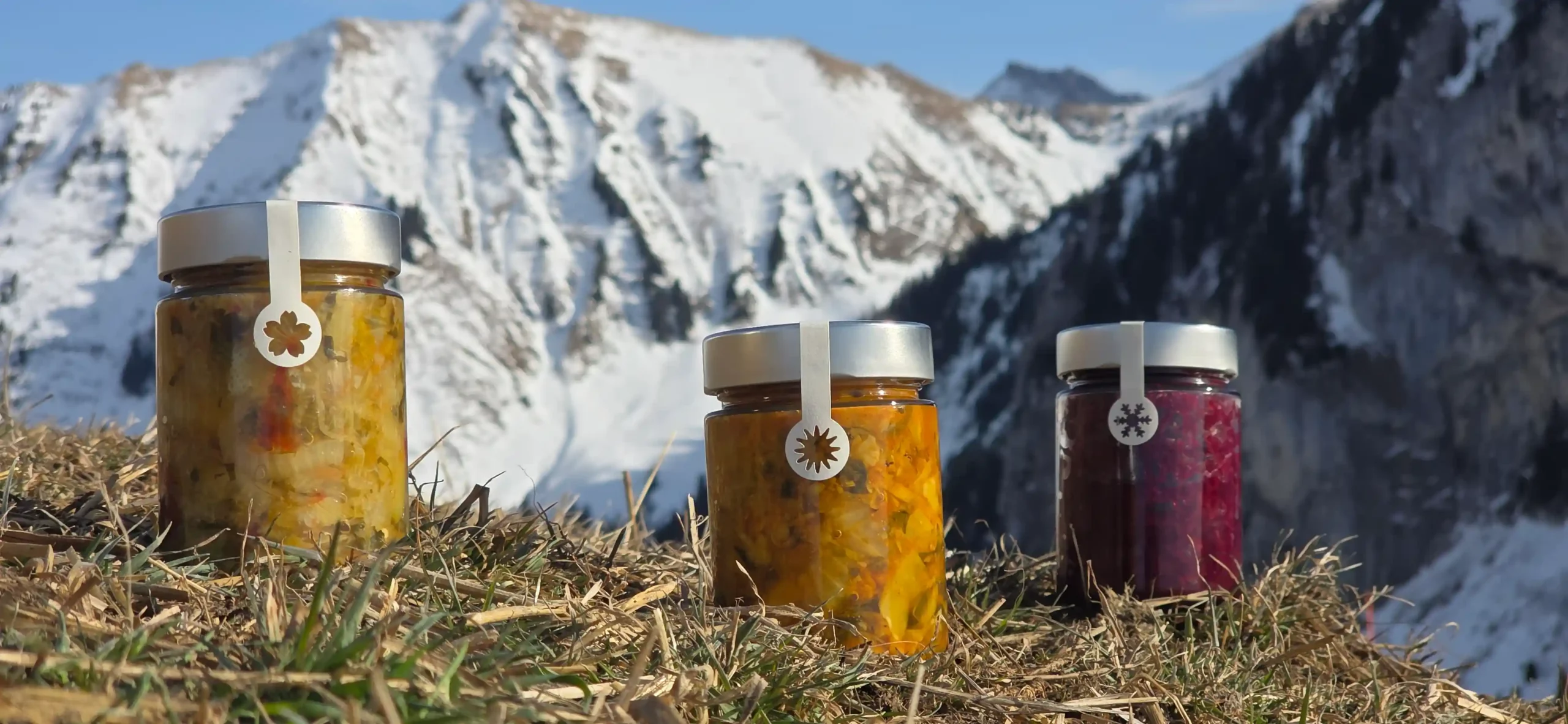
- Pink-Chi: mild, pink and crunchy, without garlic or onions.
- Suisse-Chi No. 2: a curry profile that works especially well with raclette and potatoes.
- Shanti Chou: “sauerkraut 2.0”, perhaps with a warm goat’s cheese salad.
Discover Pink-Chi → · Discover Suisse-Chi → · Discover Shanti Chou →
Fermentation is not an obligation; it is an invitation to taste more honestly.