
Lacto-fermentation is a method of preserving food that dates back thousands of years. Fresh vegetables are submerged in brine or mixed with herbs and spices to make foods such as sauerkraut, kimchi and pickles; kombucha is another product of fermentation.

In recent years, lacto-fermentation has become increasingly popular. Unpasteurised fermented vegetables may contain living microorganisms and offer a wealth of flavour. Research is exploring how fermented foods, as part of a varied diet, relate to digestion, immune function and inflammatory processes. Fermentation also produces enzymes and other compounds that transform the food.
A South Korean study examined the relationship between kimchi consumption, body weight and metabolic markers in overweight and obese people (1). Other studies have explored lactic-acid bacteria, inflammatory processes and the gut flora of people with gastrointestinal conditions (2). Individual studies are not, however, a substitute for personal medical advice.

Fermented vegetables differ from supplements: they are whole foods, providing plant fibre as well as any microorganisms generated during fermentation. The process changes these fibres and some people find the vegetables easier to digest than their raw ingredients.
The acidity comes from microorganisms transforming some of the carbohydrates in fresh vegetables. Responses to fermented foods vary from person to person; anyone with an existing condition should discuss dietary changes with an appropriate professional.
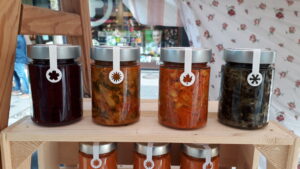
Lacto-fermentation transforms the vegetables before they are eaten, changing their flavour, texture and the availability of some nutrients.
Bringing fermented vegetables into everyday meals
- Start with small portions and notice how you respond.
- Add them to salads, soups and sandwiches, or serve them as a side dish.
- Regularity matters more than a large quantity; one or two tablespoons can be a useful culinary guide.
- If you feel uncomfortable, reduce the portion or pause.
- If you want to observe the personal effect, try including them regularly for a few weeks.
Fermented vegetables are not a cure-all. Some people may be sensitive to them, including those with histamine intolerance or other specific sensitivities. Persistent symptoms or health questions should be discussed with a qualified nutrition or medical professional.

Our products are made without additives or preservatives. Choosing them also supports a family passionate about ancestral knowledge and the social and environmental questions of our time.
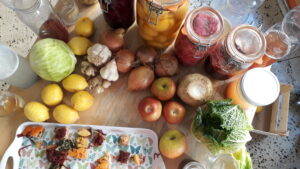
If you would like a deeper introduction to lacto-fermentation, including tasting and preparing your own jars, we regularly run workshops. We can also organise sessions for team-building, groups of friends or family, and events. Contact: info@fermentierra.com.