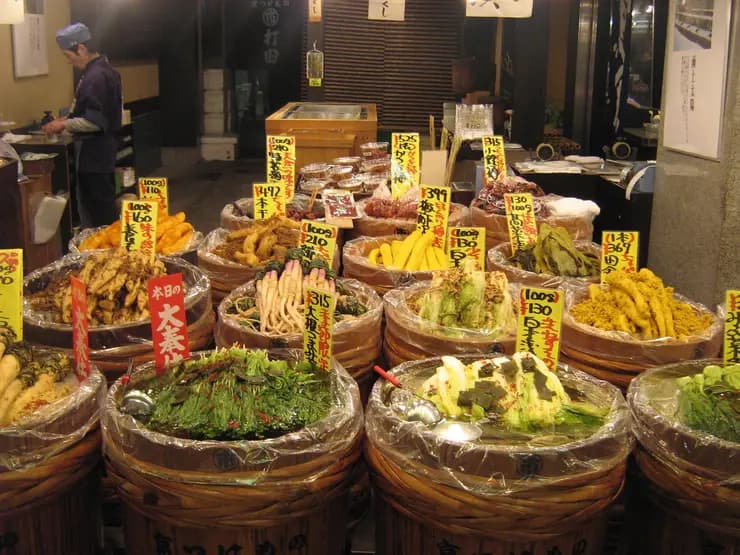
From Seoul to Split and Tokyo to Mexico, five cultures instinctively arrived at the same gesture – what we call the Spoonful Rule.
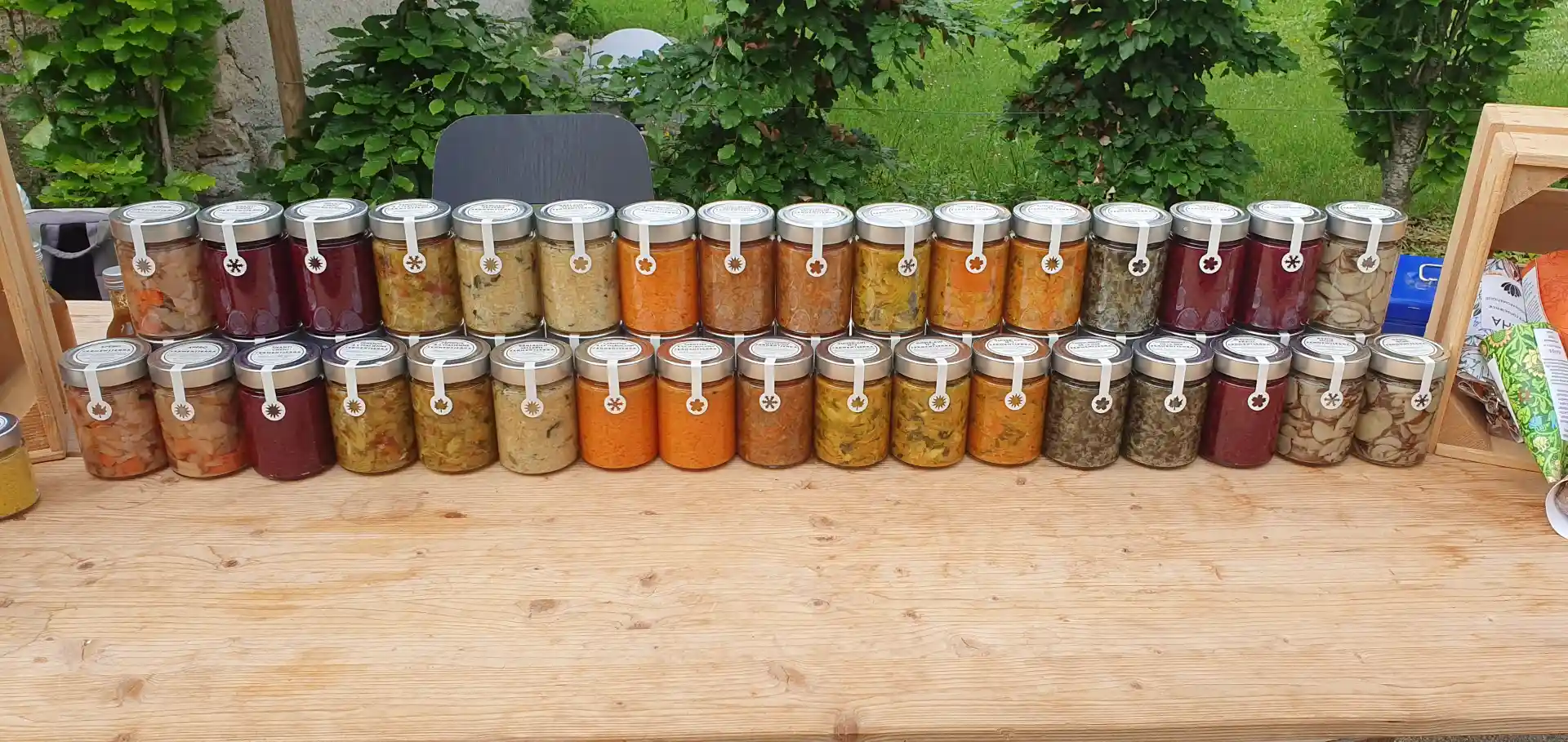
When someone tells me in a workshop that fermented vegetables are too strong, I ask: “Did you eat them on their own, straight from the fork and in a large quantity?” The answer is almost always yes. That is precisely what people rarely do in cultures with longstanding fermentation traditions.
Vegetable fermentation is one of the most universal preservation techniques. Wherever people had salt, vegetables and time, they rediscovered it independently – and ate the result in small quantities, as a condiment or alongside something else.
Korea – kimchi and the wisdom of banchan
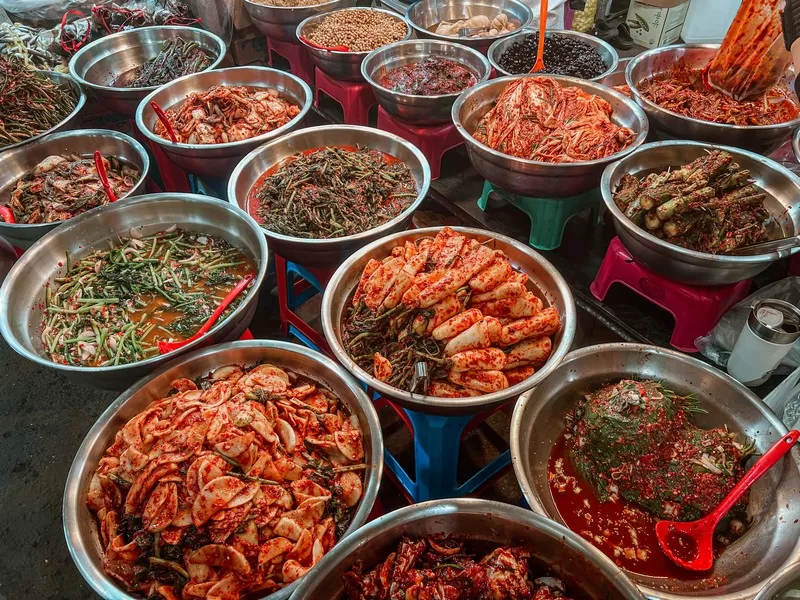
Kimchi is not served as a main dish in Korea. It arrives as banchan: small dishes surrounding rice, soup or grilled food from breakfast to dinner. Its heat, acidity and umami are intended to lift a dish, not fill the plate. According to compiled figures on kimchi, daily consumption is often around 40 to 100 grams, spread across several meals.
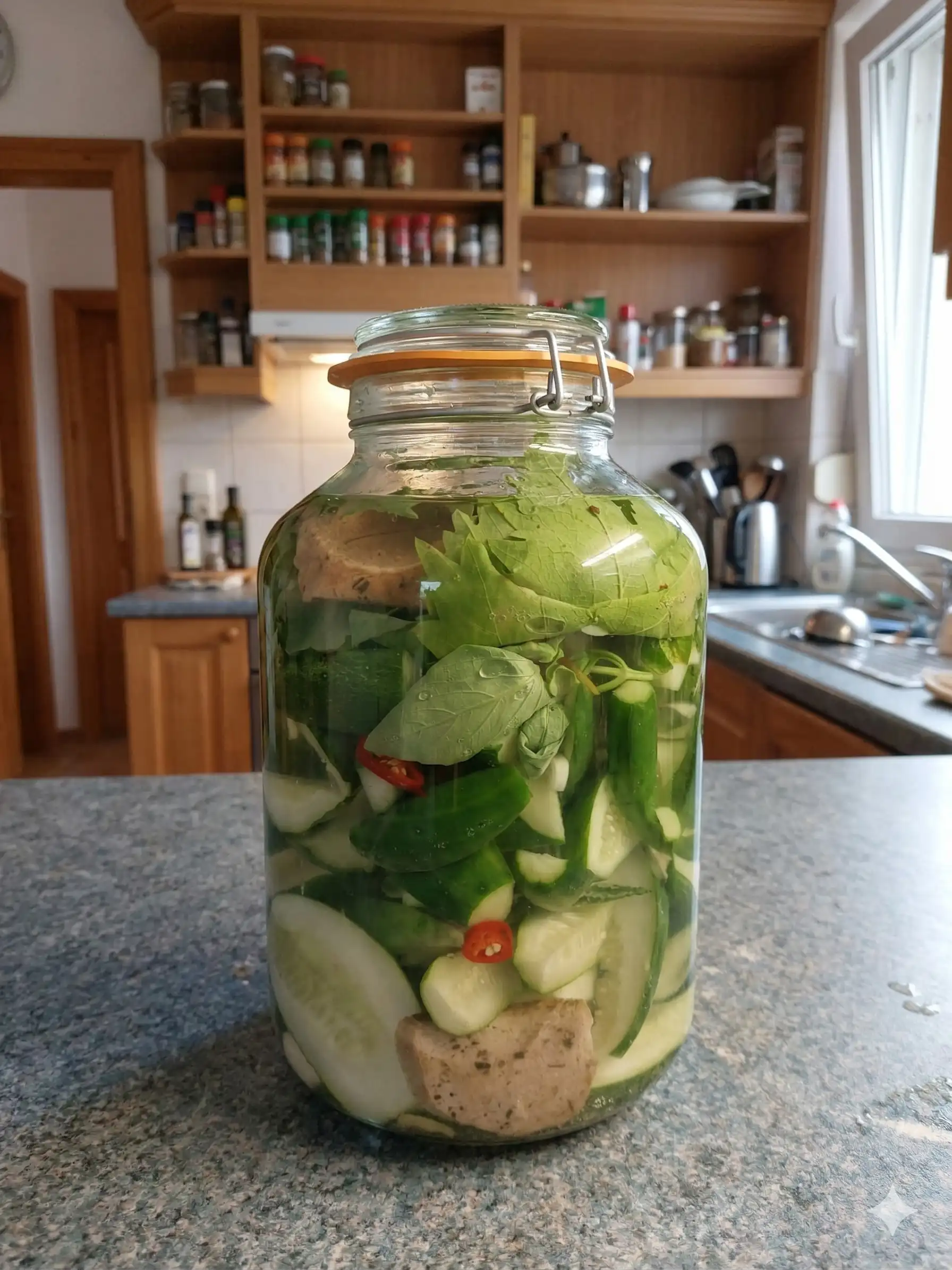
The Balkans – turšija, an autumn celebration in a jar
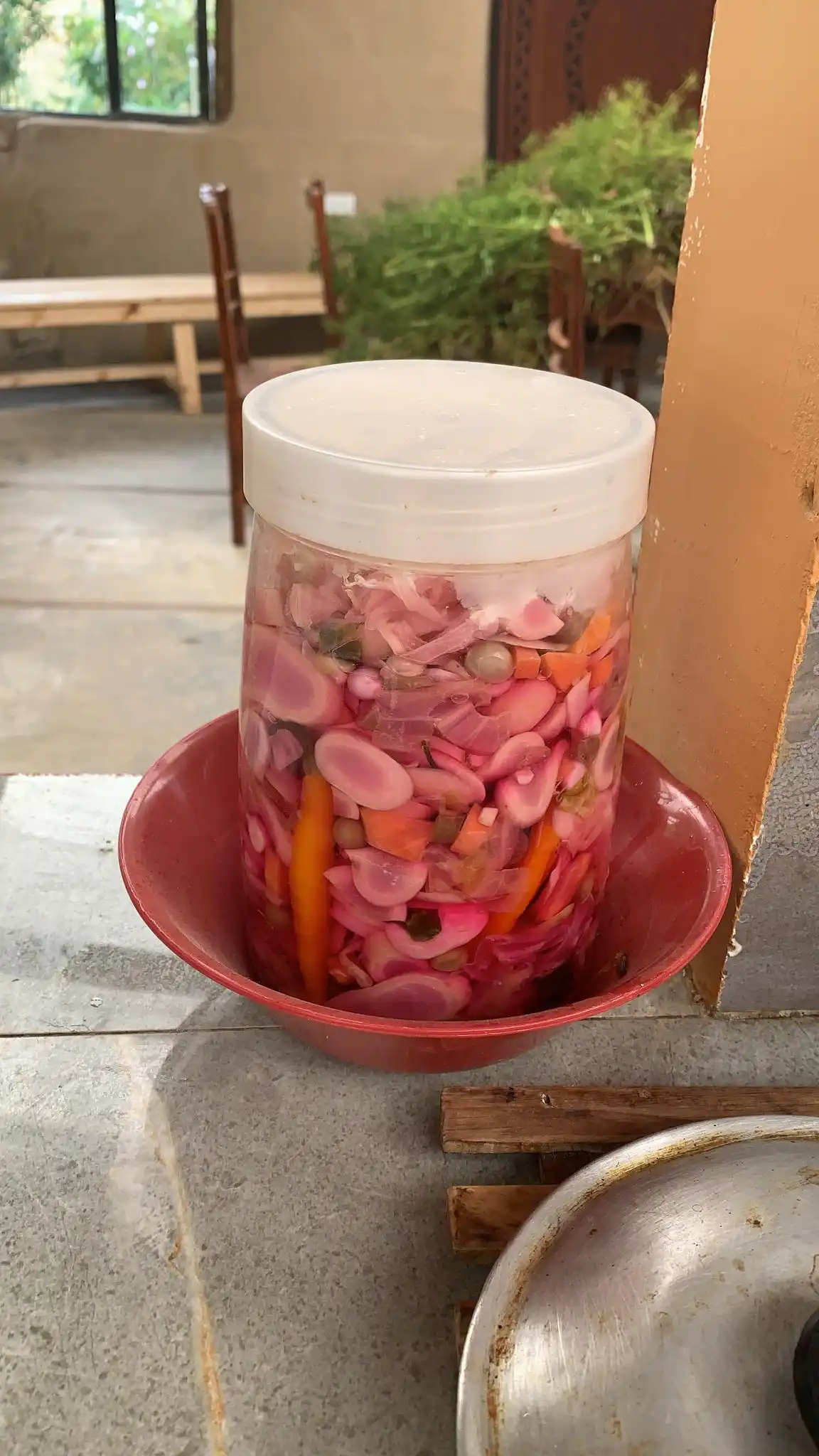
Every autumn, families in Serbia, Bosnia and Croatia fill large earthenware vessels with peppers, gherkins, carrots, cabbage and turnips in brine. Turšija marks the end of the fresh-vegetable season. At the table it is shared with fresh cheese or bread – a social condiment, never a plateful. In some regions, several generations still prepare the winter supply together and pass recipes on orally.
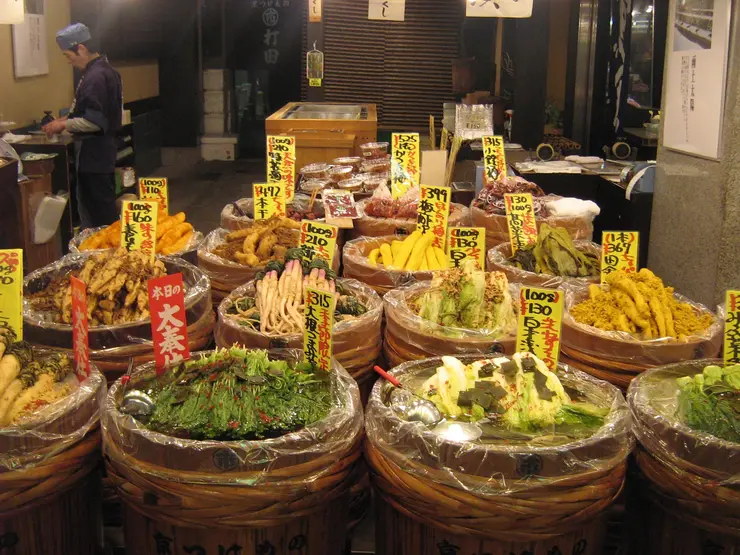
Japan – tsukemono and the art of cleansing the palate
Tsukemono – literally “pickled things” – occupy only a corner of the plate in a traditional Japanese meal: a few slices of daikon, pink ginger or rice-bran cucumber. They cleanse the palate, bring freshness and stimulate the appetite. Nukazuke matures in a vessel of rice bran that is turned by hand each day. Cuisine-Japon describes six methods, while INRAE discusses the diversity of traditional ferments. The longstanding ichiju sansai meal structure also gives pickles a defined place.
Mexico and Central America – curtido as a condiment
In taquerias, curtido – lactic-fermented cabbage, carrots and jalapeños – arrives in a small bowl like salsa. A spoonful goes on the taco, adding crunch and cutting through the richness. In El Salvador, curtido accompanies pupusas: a thin layer of acidity balances the cheese and beans.
Eastern Europe – sauerkraut woven into the cooking
In Poland, Ukraine and Russia, kapusta kiszona is rarely served alone. It is the basis of Polish bigos, a filling for Ukrainian varenyky and the acidity in beetroot soups. Meat, potatoes and fat absorb and transform its sharpness. In the eighteenth century, sauerkraut also supplied European sailors with storable vitamin C; James Cook carried barrels on his Pacific voyages.
What these five traditions tell us
None of these cultures needed a Spoonful Rule explained in a workshop. It emerged naturally from use: a powerful condiment does not fill the plate; it adds a touch.
From the maker: People in Korea, the Balkans, Japan, Mexico and Poland independently found the same answer: a small amount, a neutral or fatty base and integration into the meal. That universality is perhaps the best evidence that the gesture makes sense.
The Spoonful Rule: practical ideas for every day →
Living cultures and probiotics: what the science actually says →
Note: This article is for information only and does not replace medical or nutritional advice.