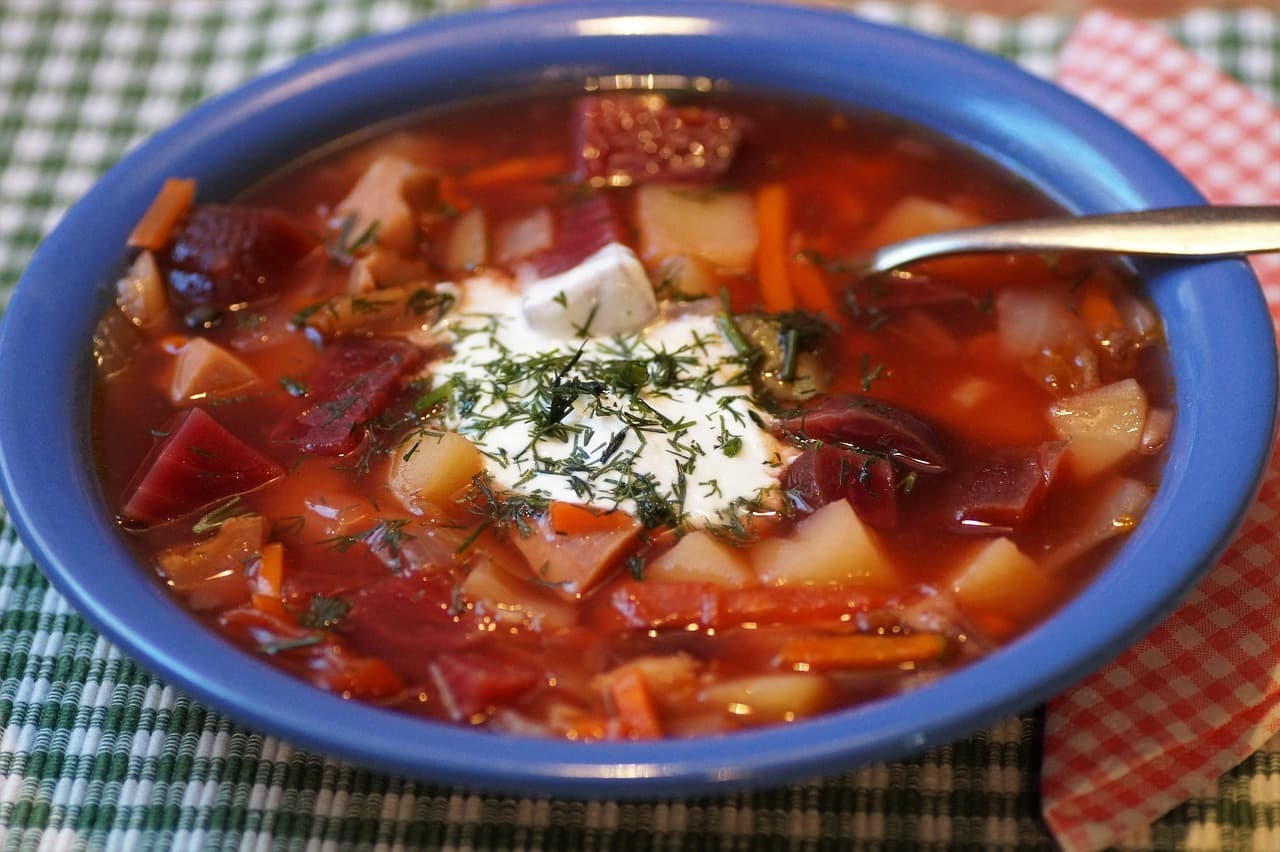
Can you cook fermented vegetables?
A Swiss guide and a recipe from the region
Lacto-fermented vegetables made in French-speaking Switzerland are prized for their flavours. But what happens when they are cooked? Here is a guide and a recipe.
Sauerkraut, the emblematic fermented vegetable, is often eaten cooked in Swiss tradition. We shall look at how heat transforms these foods and share a new recipe: a Swiss cheese tart in the Vaud and Fribourg style, refreshed with a lacto-fermented touch from Fermentierra.
Sauerkraut: the classic example
A traditional sauerkraut dish shows that fermented vegetables can be cooked perfectly well. This is what heat changes:
- Flavour: cooking softens the acidity and tenderises the fibres.
- Microorganisms: heat inactivates many living cultures, while some compounds produced during fermentation remain.
- Nutritional value: even cooked, the vegetable still provides minerals and plenty of flavour.
The raw alternative: if you want to preserve the living cultures, enjoy Fermentierra vegetables raw in a salad.
Cooking and nutritional value: what remains?
Why the cooked version still has its place
Do not throw away your jars: lacto-fermented products remain wonderfully flavoursome ingredients after heating.
- Fermentation products: some organic acids and peptides produced during fermentation are more heat-stable than living cultures.
- Vitamins: levels can change during cooking; gentle, brief heating helps to limit losses.
- Texture: fermentation has already altered the plant fibres, which some people find easier to digest.
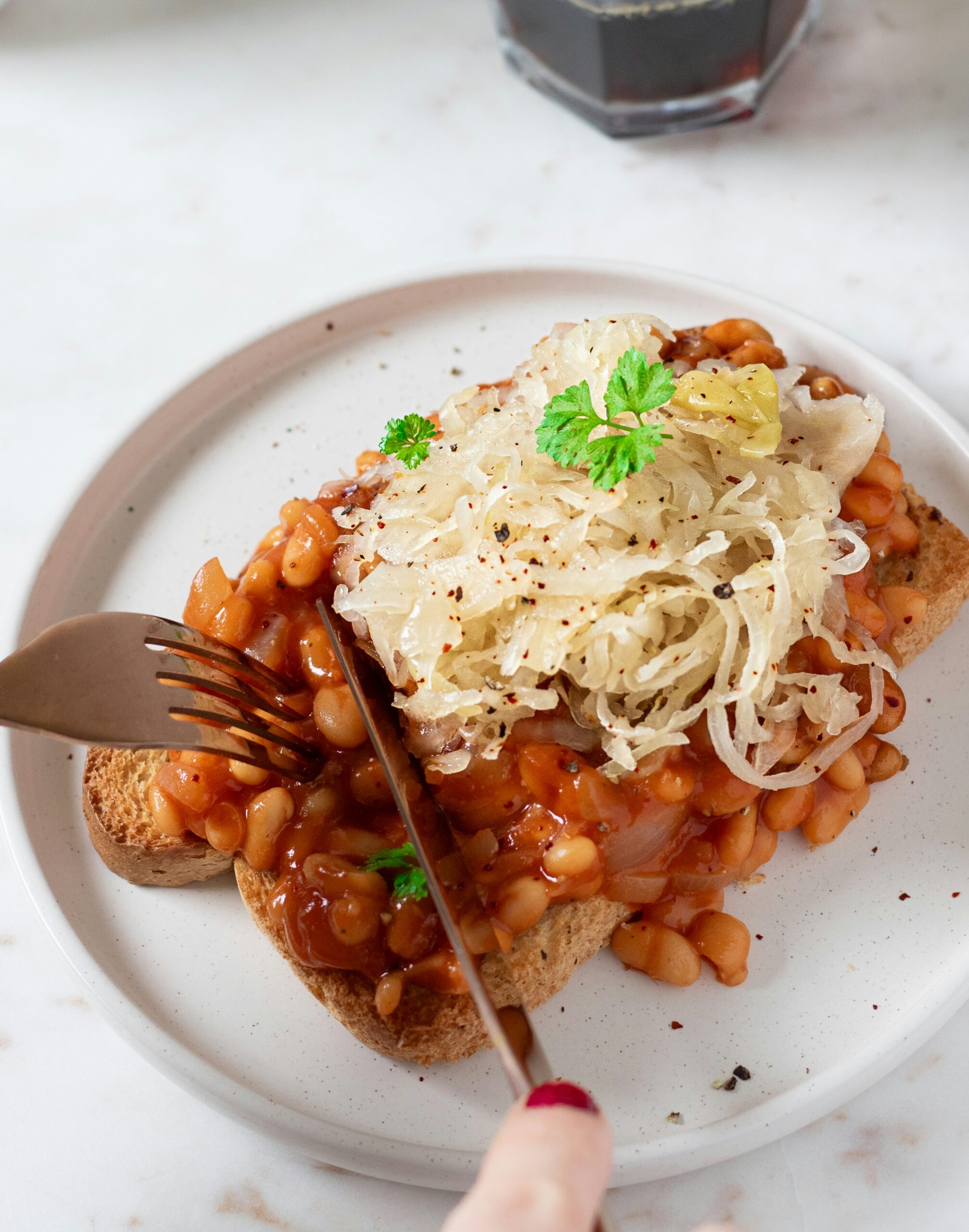
Swiss cheese tart with fermented vegetables
A savoury Vaud-style cheese tart in which fermented vegetables bring a pleasant tang.
For the pastry
- 250g homemade shortcrust pastry
- 1 pinch of Alpine salt
- 1 egg, for glazing
For the filling
- 200g Swiss cheese, such as Gruyère AOP or Vacherin
- 200g quark or ricotta
- 2 eggs and 100ml double cream
- Pepper and nutmeg
- 50g Fermentierra lacto-fermented vegetables, blended
Method
- Preheat the oven to 180°C. Line a tin with the pastry and prick the base.
- The cook’s tip: spread a thin layer of blended fermented vegetables over the base. This adds zing without making the pastry soggy.
- Mix the Gruyère, quark, eggs, cream and spices.
- Pour in the filling and bake for 30–35 minutes. Serve warm with a market salad.
More ideas for cooking with your jars
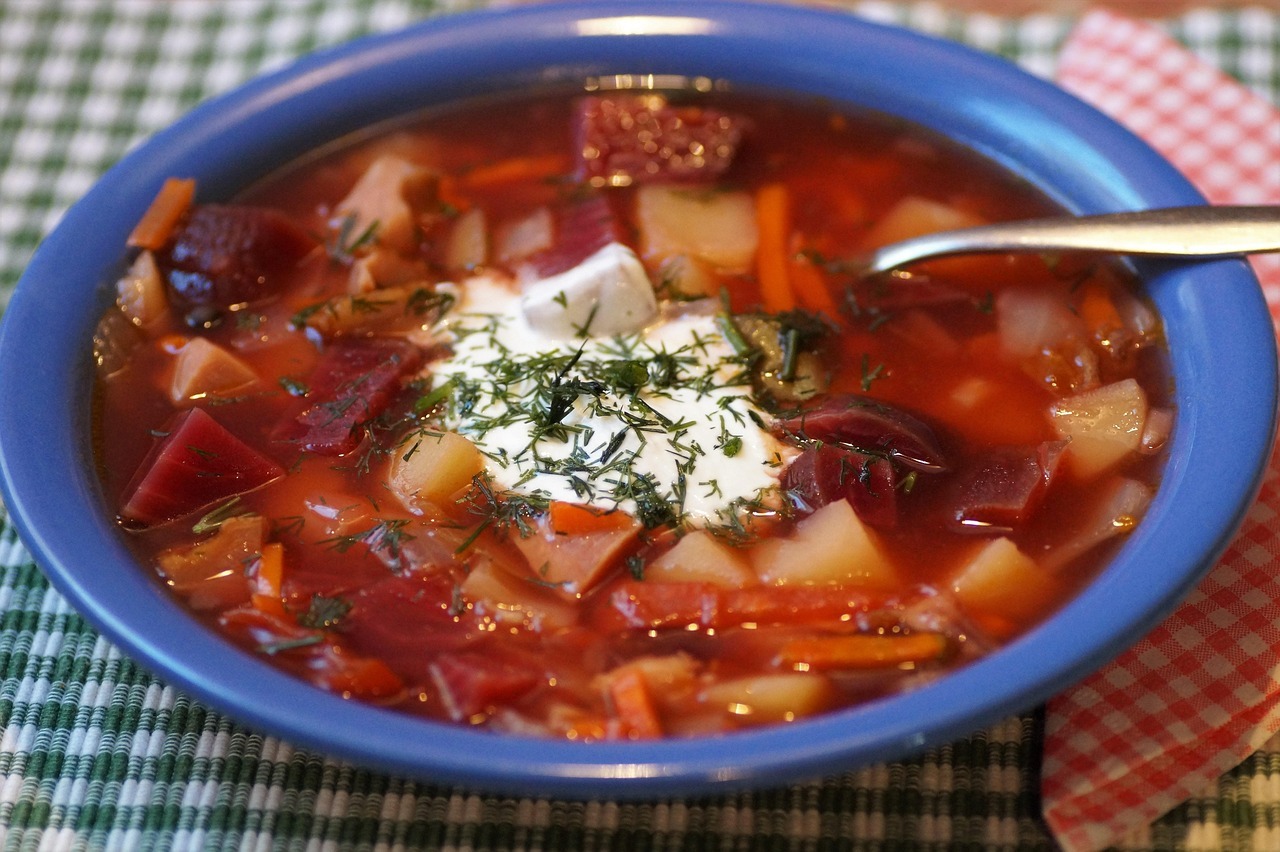
- At the end of cooking: add a spoonful of Swiss kimchi to winter soups.
- As a condiment: on pizza or raclette, the acidity balances the richness of melted cheese.
In conclusion
Whether you are in Geneva, Lausanne or Neuchâtel, reinvent your regional cooking. Heating largely removes living cultures, but fermented vegetables retain their distinctive flavour and a variety of fermentation products.
Would you like to learn? Join one of our cooking and fermentation workshops in Champagne (VD).